Initial Installation, Commissioning, and Technical Onboarding
Transitioning toward eco-friendly building materials requires complete confidence in our machinery suppliers. As we expand our sustainable manufacturing footprint, evaluating a vendor’s post-installation support becomes as critical as analyzing machine technical specifications. Partnering with a dedicated manufacturer like Boyu gives us the foundation required for continuous commercial production schedules.
Machinery installation is merely the first step in a multi-year industrial partnership. When we purchase heavy extrusion equipment, we must ensure that technical support crews remain accessible whenever operational challenges arise. Establishing clear communication channels with engineering teams at Boyu helps us minimize unplanned machinery downtime during crucial production shifts.
Comprehensive after-sales service can help protect a capital investment against unforeseen mechanical or electrical issues. We evaluate how quickly technicians respond to service requests and whether remote support is available when necessary. When evaluating processing technology from Boyu, manufacturers should also clarify the available technical support channels and response procedures before purchasing equipment.
Raw material processing for non-PVC formulations presents unique thermal and shear requirements compared to traditional polymers. Without expert guidance during startup phases, minor configuration errors can lead to material degradation or tool damage. We systematically review supplier service track records before finalizing any major equipment purchase decisions.
Standardized operator training programs represent another important part of post-purchase vendor support. When operators receive appropriate training on equipment operation, maintenance, and safety procedures, they can better understand the production system and respond to common operating issues. Clear technical instruction can also help reduce avoidable operating errors and support more reliable equipment performance.
Evaluating Technical Capabilities and Service Response Times
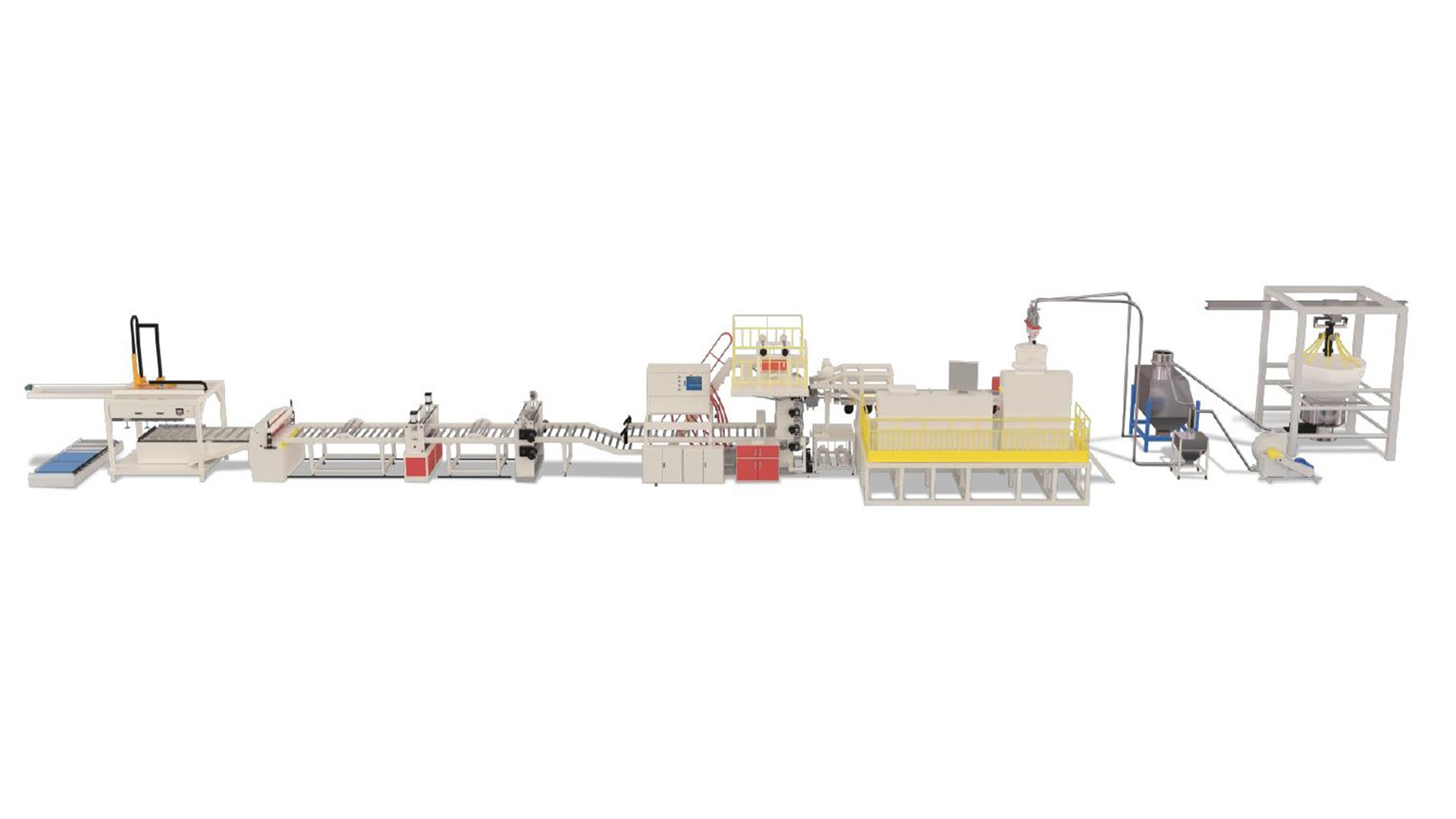
Assessing spare parts availability is fundamental when choosing machinery partners for our facility. Manufacturers should clarify the availability, lead times, and sourcing arrangements for important replacement components according to the equipment configuration. When operating an active non pvc flooring extrusion line, reliable access to suitable replacement parts can help reduce maintenance delays and support more continuous production.
Diagnostic capabilities can be an important consideration when evaluating modern extrusion equipment. Manufacturers should clarify whether technical teams can provide remote troubleshooting support and what types of operating information can be reviewed during a service request. Effective remote assistance may help identify certain software, control, or sensor-related issues before an on-site intervention becomes necessary.
Routine preventive maintenance schedules represent another important benchmark during our supplier vetting process. When running a non pvc flooring extrusion line, regular inspections of key components such as screws, barrels, and gearboxes can help identify wear and abnormal operating conditions at an early stage. Appropriate maintenance can reduce the risk of unexpected equipment problems and support long-term production stability.
On-site service availability during emergency breakdowns is an important factor when evaluating vendor reliability. We verify whether a supplier can provide qualified technical personnel for on-site support when complex mechanical issues exceed our internal repair capabilities. Clear procedures for emergency service can help manufacturers respond more effectively to unexpected equipment problems and reduce potential production disruption.
Software support and control-system maintenance can be useful considerations when evaluating extrusion equipment for long-term operation. As non-PVC resin formulations and production requirements evolve, processing parameters may need to be reviewed and adjusted accordingly. Manufacturers should clarify how control-system updates and technical support are handled so that the non pvc flooring extrusion line can continue operating under appropriate processing conditions.
Clear warranty terms and straightforward claims procedures provide important protection during early equipment operation. We carefully review warranty documentation to understand coverage conditions and limitations for major equipment components. Detailed service agreements can help clarify responsibilities, response procedures, and maintenance expectations between the manufacturer and the machinery buyer.
Feedback channels and user training refresher courses help our operational personnel refine their day-to-day skills. Continuous collaboration with machinery engineers empowers our floor staff to master complex thermal profiles and feed rate calibrations. Knowledge sharing transforms simple vendor transactions into long-term strategic growth partnerships.
Securing Operational Continuity and Long-Term Value
Establishing a sustainable manufacturing ecosystem depends on long-term equipment reliability and efficient operation. When we deploy an advanced pvc free flooring extrusion line, monitoring energy consumption and thermal consistency can help manufacturers evaluate operating efficiency. Appropriate technical support can also help operators review heating-zone settings and identify opportunities for more efficient equipment operation.
Supply chain security for specialized wear parts and tooling is an important consideration when evaluating vendor support. Depending on the equipment configuration and flooring application, replacement components may require specific specifications or lead times. Working closely with the supplier can help manufacturers plan replacement-part requirements in advance and reduce the risk of unnecessary production delays.
Technical documentation and maintenance manuals are valuable resources for maintenance personnel. We look for clear equipment documentation, operating instructions, troubleshooting guidance, and maintenance recommendations in a language that our team can understand. Maintaining a high-output pvc free flooring extrusion line requires convenient access to accurate technical information during routine inspections and service work.
Performance auditing and periodic machinery health checks can help manufacturers evaluate long-term equipment condition and production stability. Depending on the supplier’s service scope, technical personnel may review operating parameters, equipment condition, energy use, and other relevant indicators. Regular equipment checks can help identify potential performance changes and provide an opportunity for timely maintenance or adjustment.
Life-cycle cost analysis can help manufacturers evaluate the long-term financial impact of after-sales support. While the initial machinery purchase price is important, maintenance requirements, spare-parts costs, service expenses, and potential downtime should also be considered. Investing in a reliable pvc free flooring extrusion line with appropriate technical support can help manufacturers manage long-term operating costs and evaluate the potential return on their equipment investment.
Vendor commitment to continuous improvement ensures our production facilities remain competitive in rapidly changing markets. Equipment manufacturers who gather feedback from active production plants consistently refine their machinery designs. Partnering with forward-thinking suppliers secures our position at the forefront of sustainable building materials manufacturing.
Ultimately, thorough vetting of a manufacturer’s after-sales capabilities can help manufacturers make more informed equipment purchasing decisions and establish clearer expectations for long-term support. Delivering consistent eco-friendly flooring products requires dependable processing technology, appropriate maintenance, and effective technical assistance when issues arise. Clear service agreements can help manufacturers understand available support, manage potential equipment risks, and maintain more stable production over the long term.