
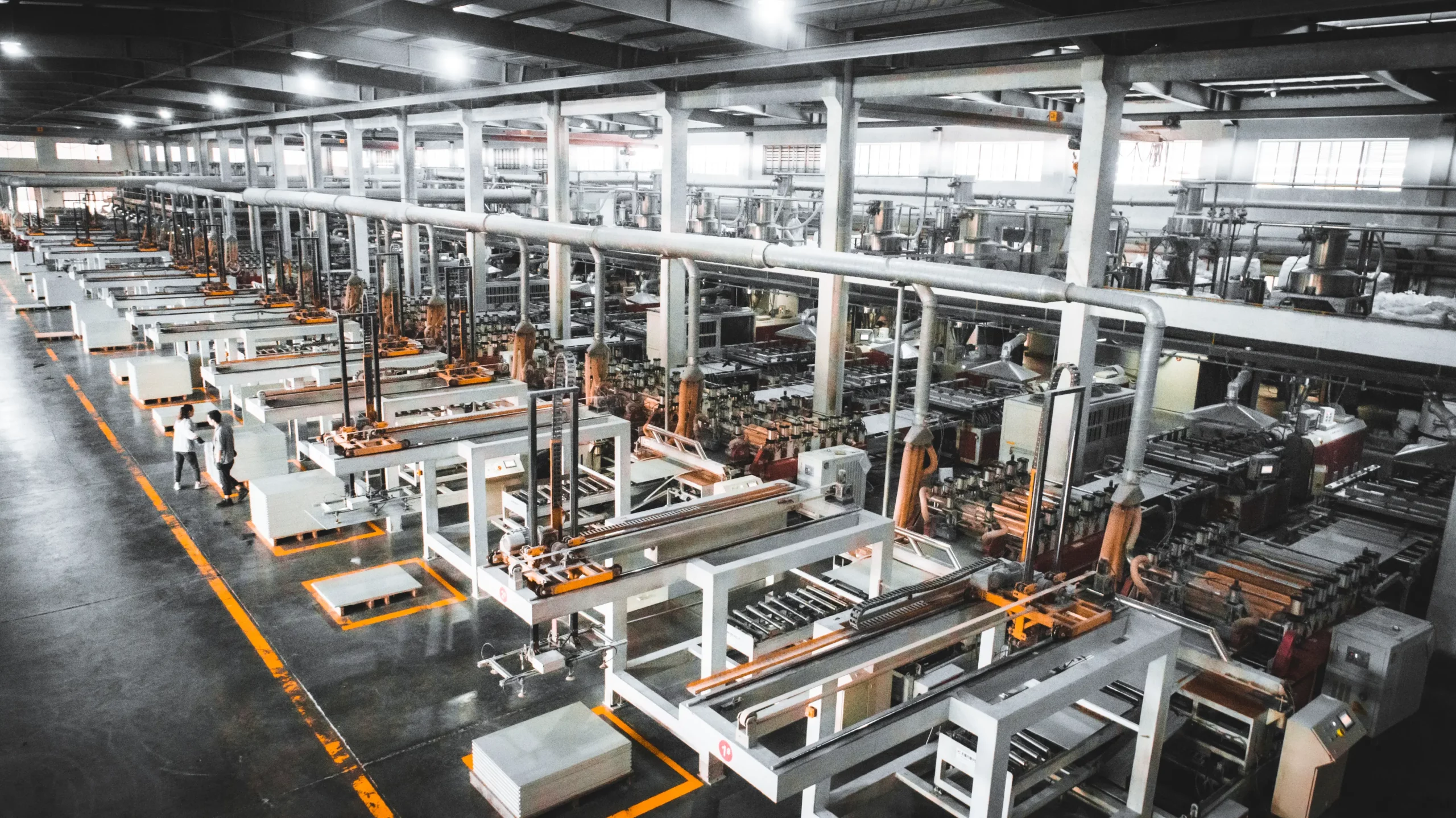
Understanding feed rate ratios is essential for achieving stable extrusion performance, especially when working with SPC, LVT, and WPC flooring materials. At Boyu, we focus on how material input consistency directly affects melt quality, output stability, and final product precision. In extrusion systems, feed rate ratio refers to the balance between raw material input and screw processing capacity. When this ratio is properly controlled, the extrusion process maintains uniform pressure and temperature, which is critical for producing consistent flooring structures. As part of our daily engineering work, we continuously refine these parameters to match different formulations and production needs.
How Feed Rate Ratios Influence Extrusion Performance
In extrusion technology, feed rate ratios determine how efficiently raw materials are conveyed, melted, and formed. At Boyu, we design our systems to maintain a balanced material flow that prevents overfeeding or starvation inside the barrel. When the feed rate is too high, it may cause uneven melting or pressure fluctuations; when too low, it can reduce output and affect productivity. Our engineering team carefully calibrates screw design, motor speed, and feeding systems to ensure optimal ratios across various applications. This approach is especially important in flooring production lines, where layer uniformity and dimensional stability are required for long-term performance.
Engineering Approach Behind Stable Feed Control
Achieving stable feed rate ratios requires more than just mechanical adjustment. At Boyu Machinery, we integrate process understanding with equipment design to support consistent extrusion behavior. With over 120 patents in extrusion technology, we have developed solutions that improve material distribution and processing efficiency. Our R&D team, consisting of experienced engineers, works closely with project teams to optimize each system based on specific materials and product structures. Supported by ISO 9001-certified manufacturing, our production systems are built to maintain precision under continuous operation. This combination of engineering and quality control contributes to reliable extrusion performance across different flooring production lines.
Practical Benefits in High-Precision Production
Maintaining accurate feed rate ratios directly supports high-precision production and stable output capacity. At Boyu Machinery, our extrusion lines are designed to handle varying material formulations while maintaining consistent throughput. This is particularly relevant in SPC and WPC flooring, where density and layer bonding depend on controlled processing conditions. Our systems aim to provide high efficiency, durability, and precision without unnecessary complexity. By aligning feed systems with screw performance, we help manufacturers achieve stable production cycles and predictable product quality, which is essential for large-scale industrial applications.
Conclusion
Feed rate ratios play a fundamental role in extrusion performance, influencing everything from material flow to final product consistency. Through continuous development and practical engineering experience, Boyu applies scientific principles to improve extrusion stability and efficiency. By combining patented technology, structured production processes, and a focus on precision, Boyu Machinery supports reliable manufacturing across flooring and other extrusion applications. Understanding and optimizing these ratios allows us to deliver solutions that align with real production requirements while maintaining consistent quality standards.