
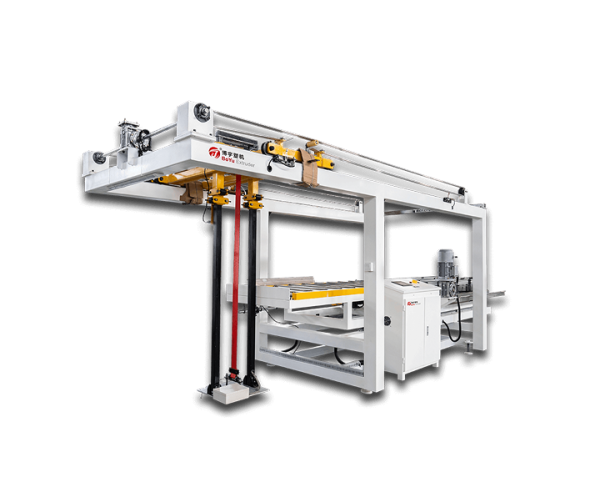
Extruder Design and Primary Processing Variables
Accurately calculating the output capacity of industrial extrusion equipment is vital for effective production planning. When we evaluate high-performance manufacturing hardware designed by Boyu, we establish precise metrics to forecast daily material yield. Understanding the factors that govern volumetric output enables us to maximize total plant efficiency without compromising structural quality.
Screw geometry and rotational speed serve as the fundamental drivers of mechanical throughput. Operating heavy processing systems built by Boyu allows us to maintain consistent shear distribution across varying motor torque loads. By fine-tuning screw speeds, we achieve stable volumetric displacement, ensuring raw composite formulations move predictably through every barrel zone.
Raw material composition also dictates maximum achievable output during continuous manufacturing shifts. Working alongside technical engineering teams at Boyu helps us optimize wood flour ratios and resin blend viscosities. Proper lubrication and stabilizer balance prevent unnecessary frictional drag, allowing higher screw rotation without causing thermal material degradation.
Barrel heating profiles must align perfectly with material feed rates to prevent process starvation or surge cycles. We monitor zone temperatures continuously to ensure uniform polymer melt before reaching the die head. Consistent thermal energy transfer stabilizes melt viscosity, enabling higher throughput speeds while maintaining uniform core board density.
Feeder accuracy represents another critical variable when determining true daily output capacities. The feeding system must maintain consistent proportions of PVC powder, calcium carbonate, stabilizers, lubricants, and other additives according to the selected formulation. Eliminating feed rate variations prevents torque fluctuations, allowing our machinery to operate continuously at its maximum recommended processing capacity.
Analyzing Processing Variables and Line Speed
Downstream synchronization directly impacts the effective yield of our primary equipment. When operating an active wpc flooring production line, line speed should be appropriately matched to the material flow exiting the extrusion die. Proper speed calibration prevents board stretching or accumulation, ensuring continuous production without physical defects.
Vacuum degassing efficiency inside the barrel ensures that trapped moisture and volatile gases escape efficiently. Maintaining clean and properly functioning processing components can help reduce the risk of trapped moisture, bubbles, and other material defects during extrusion. Eliminating internal voids allows us to run at elevated output speeds without risking structural weakness in finished core boards.
Calender roller pressure and cooling efficiency determine how rapidly the molten sheet stabilizes after die exit. Managing our wpc flooring production line with high-capacity chilled water circulation locks board dimensions quickly. Fast thermal transfer prevents material backing up at the nip rollers, enabling higher linear processing speeds across extended shifts.
Melt pressure stability before the breaker plate provides immediate feedback regarding output consistency. Monitoring melt pressure and other key processing parameters can help operators identify variations in extrusion performance and make timely adjustments when necessary. Maintaining stable pressure conditions can help support consistent material flow, board density, and overall extrusion performance.
Die gap settings must be adjusted precisely to balance flow distribution across the entire sheet width. If die restriction is too tight, head pressure surges excessively, forcing operators to lower screw speeds. Correct die calibration minimizes flow resistance, maximizing volumetric discharge while preserving precise profile dimensions.
Haul-off unit traction must remain perfectly steady to prevent speed oscillations down the processing line. The traction system should operate consistently with the extrusion process to help maintain stable sheet thickness and downstream handling. Eliminating traction slip protects finished sheet thickness tolerances, allowing continuous operation at peak commercial manufacturing speeds.
Inline trimming and cutting automation must keep pace with rapid extrusion rates without creating bottlenecks. Automated cross-cut saws and edge trimmers slice continuous boards seamlessly into standard lengths. Efficient downstream handling can help prevent unnecessary bottlenecks during cutting, stacking, and material transfer.
Maximizing Total Throughput and Machinery Longevity
Preventive maintenance schedules directly influence long-term output sustainability across our facility floor. When operating a high-efficiency wpc flooring extruder machine, routine inspections of screw flights and barrel liners prevent internal wear. Regular maintenance can help reduce the impact of component wear on extrusion stability and long-term production performance.
Measuring daily output capacity requires tracking both total weight output and usable linear board length. Analyzing operational metrics on our wpc flooring extruder machine allows us to calculate overall equipment effectiveness accurately. Identifying subtle throughput drops alerts our maintenance crews to clean filter screens or adjust barrel zone heaters promptly.
Comprehensive staff training ensures technicians recognize early signs of output restriction or thermal drift. Skilled operators managing our wpc flooring extruder machine know how to adjust feeder speeds and barrel temperatures harmoniously. Operational expertise eliminates trial-and-error downtime, ensuring production runs remain consistently near maximum capacity.
If recycled material is incorporated into the production process, its properties and proportion should be controlled according to the selected formulation. Consistent material characteristics can help maintain stable feeding and predictable extrusion performance. Consistent bulk density maintains steady volumetric feeding, preventing output drops associated with irregular raw compound densities.
Facility climate regulation helps stabilize cooling tank water temperatures and raw powder storage conditions. Maintaining appropriate storage and environmental conditions can help control raw material moisture and support more consistent extrusion performance. Stable processing environments guarantee repeatable output figures shift after shift, regardless of external weather changes.
Ultimately, determining and maximizing output capacity requires a holistic approach to equipment, materials, and maintenance. By monitoring processing parameters systematically and utilizing high-precision machinery, we can better evaluate production capacity and identify opportunities to improve overall line efficiency. Strategic throughput management safeguards operational profitability and solidifies our position in competitive building materials markets.