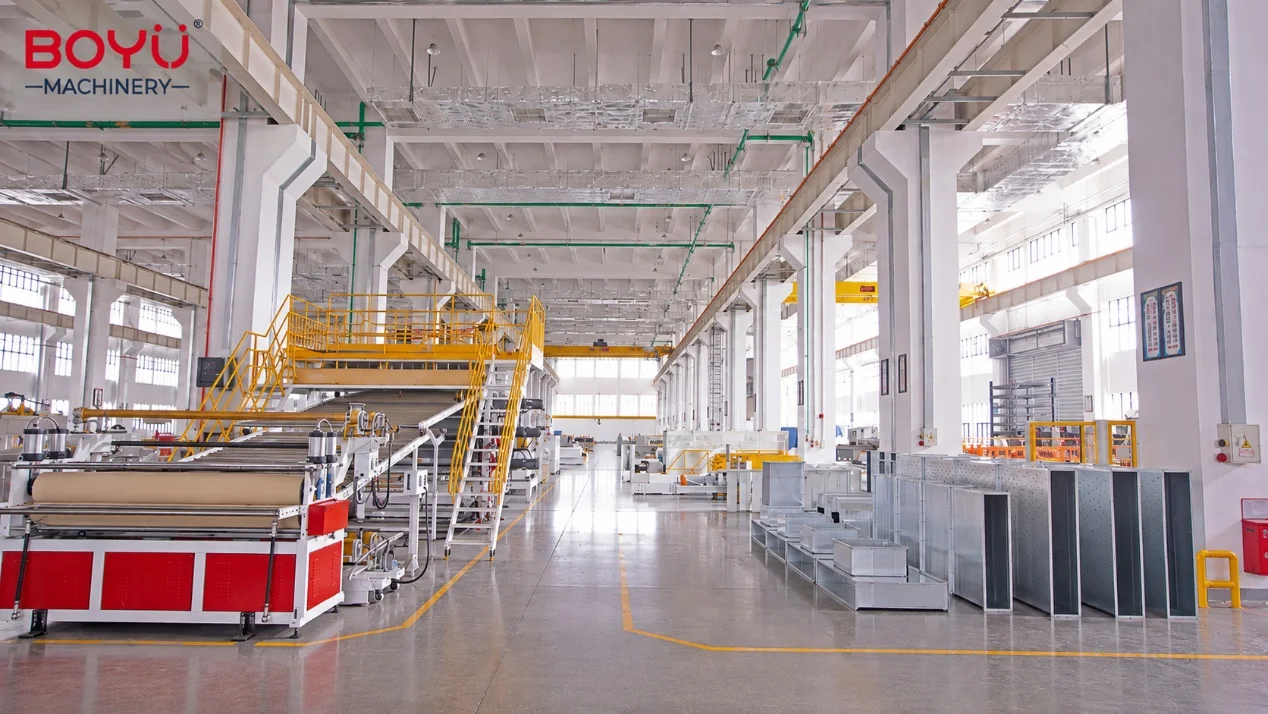
Choosing a plastic extrusion machine is one of the biggest capital decisions a manufacturer makes, and prices vary widely from one line to the next. Output capacity, line configuration, automation level, and supplier quality all feed into the final plastic extrusion cost. Understanding what drives these numbers is the first step to investing wisely and avoiding a line that underperforms.
Plastic Extrusion Cost: What Affects the Price?
The cost of a plastic extrusion line is shaped by several variables. Understanding each one helps manufacturers budget accurately and avoid underspecifying a line that will underperform.
Machine Type and Output Capacity
For any plastic extrusion machine, output capacity is the most direct cost driver. Mid-range lines running at 200–500 kg/h generally fall between $50,000 and $150,000, while industrial-scale lines at 500 kg/h and above can reach $150,000 to over $500,000.
Beyond throughput, screw configuration adds another significant layer to the price. Twin-screw extruders offer superior plasticisation stability for complex or demanding materials, but that capability comes at a cost — typically a 40% to 70% premium over single-screw models of equivalent output.
Line Configuration
The extruder unit itself typically represents only 30% to 40% of the total line cost, with the remainder coming from the die head, calibration table, haul-off unit, cutting system, and any product-specific downstream equipment.
Configuration complexity, in turn, varies significantly by application. A simpler single-product line sits at a considerably lower total investment than a more specialised setup with additional sizing, surface treatment, or cutting requirements. Even within a standard configuration, custom die and calibration setups alone can add $5,000 to $50,000 to the base price. Ultimately, configuration cost is driven by what the line needs to produce, not by output alone.
Automation Level
PLC-based systems with touchscreen interfaces typically add 15% to 25% to the machine price compared to manual or semi-automatic equivalents. For manufacturers running multiple shifts or managing complex product recipes, however, this upfront cost is often recovered quickly through reduced labour dependency and fewer process errors.
The downstream effect is equally measurable. Fully automated lines maintain more consistent output across shifts, which directly improves material yield and lowers rejection rates. Over a production line’s operational life, the difference in scrap cost alone frequently offsets the automation premium within the first year or two — making the higher initial investment the more economical choice in the long run.
Origin and Supplier
Geographic origin creates significant price variance. European and Japanese suppliers are known for precision engineering, but that reputation comes with a price — often 3 to 4 times higher than Chinese equivalents of comparable specification. Chinese manufacturers, by contrast, offer a more accessible entry point.
That said, price alone should not be the deciding factor. Established manufacturers — regardless of origin — provide better warranties, technical training, and reliable spare parts availability, all of which directly affect line uptime and total cost of ownership. A lower purchase price that comes with poor after-sales support can quickly become the more expensive option once unplanned downtime and parts delays are factored in.
Recommended reading: What Does a Plastic Extruder Machine Need from Your Workshop?
How to Choose a Cost-Effective Extrusion Line
When evaluating a plastic extrusion machine, the lowest purchase price rarely means the lowest cost. A cheaper line that suffers frequent downtime, high reject rates, or poor energy efficiency often costs far more across its working life than a well-specified one. Choosing a truly cost-effective line comes down to a few principles:
- Match the line to your needs:Specify around your actual product type, output target, and material, not the highest spec on offer. Oversized capacity ties up capital that sits idle; an underspecified line bottlenecks production the moment demand rises.
- Weigh total cost of ownership:A purchase price is only the entry fee. Factor in energy draw per kg of output, maintenance intervals, spare-part availability and lead time, and expected scrap rate, since these recur for the entire life of the line.
- Prioritise material yield: Material is the largest ongoing cost, so a line that holds tighter plasticisation and thickness control turns more resin into saleable product. Even a 1–2% yield gain compounds into substantial savings over years of continuous running.
- Choose a proven supplier:Verify track record, patents, certifications, and after-sales reach before price. The supplier shapes every factor above, which makes supplier quality a cost decision as much as a technical one.
These principles all point to the same conclusion: the supplier behind the line determines whether costs stay low for years or quietly climb. With nearly 30 years of extrusion experience and patented line technology, Boyu Machinery is built around exactly these priorities.
Further reading: How to Reduce Energy Consumption in Extrusion Production Lines
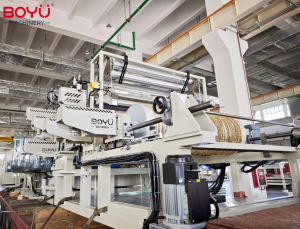
Why Boyu Machinery’s Extrusion Lines Deliver Better Value
As a specialistplastic extrusion company with nearly 30 years of expertise and 120+ patents, Boyu Machinery is built to address each of the cost principles above:
- Lines matched to your needs: Every system is customised to the customer’s exact product type, output, and material, avoiding both overspend and bottlenecks.
- Lower total cost of ownership: Stable, energy-efficient designs with key components from trusted international brands and accessible spare parts keep long-term costs down.
- Higher material yield:Precise plasticisation and thickness control directly reduce scrap and protect yield, line after line.
- A supplier you can rely on: ISO 9001, CE, CSA, and EAC certification, plus installation, commissioning, operator training, and long-term technical support.
Conclusion
Every plastic extrusion machine budget comes down to balancing upfront price against long-term cost of ownership. The cheapest quote rarely wins once downtime, scrap, and support are counted. Before you compare numbers, ask which line truly fits your product, output, and material — then choose a supplier who protects that investment. Share your specs with Boyu Machinery to find the right line for your production.
References
- https://petreatsmachine.com/food-extruder-cost/
- https://petreatsmachine.com/extrusion-machine-price/